
Gallstones or Something More Serious? How Doctors Tell the Difference
When someone comes in with pain in the upper right abdomen, the overwhelming likelihood — genuinely, well over 95% of the time — is gallstones. It's one of the most common surgical problems there is, and most of the time, the story fits a familiar pattern: pain after fatty meals, an ultrasound showing stones, and a straightforward path to treatment. But every surgeon who deals with the biliary system has to keep a small, quiet checklist running in the background, because a small number of gallbladder and bile duct problems turn out to be something more serious — and catching that early changes everything about the outcome.
Why this question matters more than it seems to
Gallbladder cancer and bile duct cancer are both uncommon, but they share early symptoms with ordinary gallstone disease almost exactly — abdominal pain, nausea, loss of appetite. The difference usually isn't in how it feels at first. It's in the details around it: how the pain has changed over time, what shows up on imaging, and what the gallbladder wall itself looks like on a scan. This is exactly why "just gallstone pain" should never be dismissed without a proper look, especially in patients over 50, or when something about the presentation doesn't quite fit the usual pattern.
The clues that shift the conversation
A handful of features tend to raise a surgeon's index of suspicion beyond routine gallstones:
- Unexplained, steady weight loss that isn't tied to any change in diet or activity.
- Pain that doesn't follow the usual meal-triggered pattern — instead being constant, gradually worsening, or present even without eating.
- A lump or mass that can be felt in the upper right abdomen.
- Jaundice without an obvious stone causing a blockage — this raises the question of whether a tumor, rather than a stone, is narrowing the bile duct.
- A thickened or irregular gallbladder wall seen on ultrasound, rather than the smooth wall typically seen with straightforward stone disease.
- A long-standing history of large gallstones, particularly stones larger than 3cm, which carry a modestly higher long-term association with gallbladder cancer.
None of these findings on their own means cancer — each one has far more common, benign explanations. But together, or in the wrong combination, they're the reason a case moves from "routine" to "let's look closer before we decide anything."
How the distinction is actually made
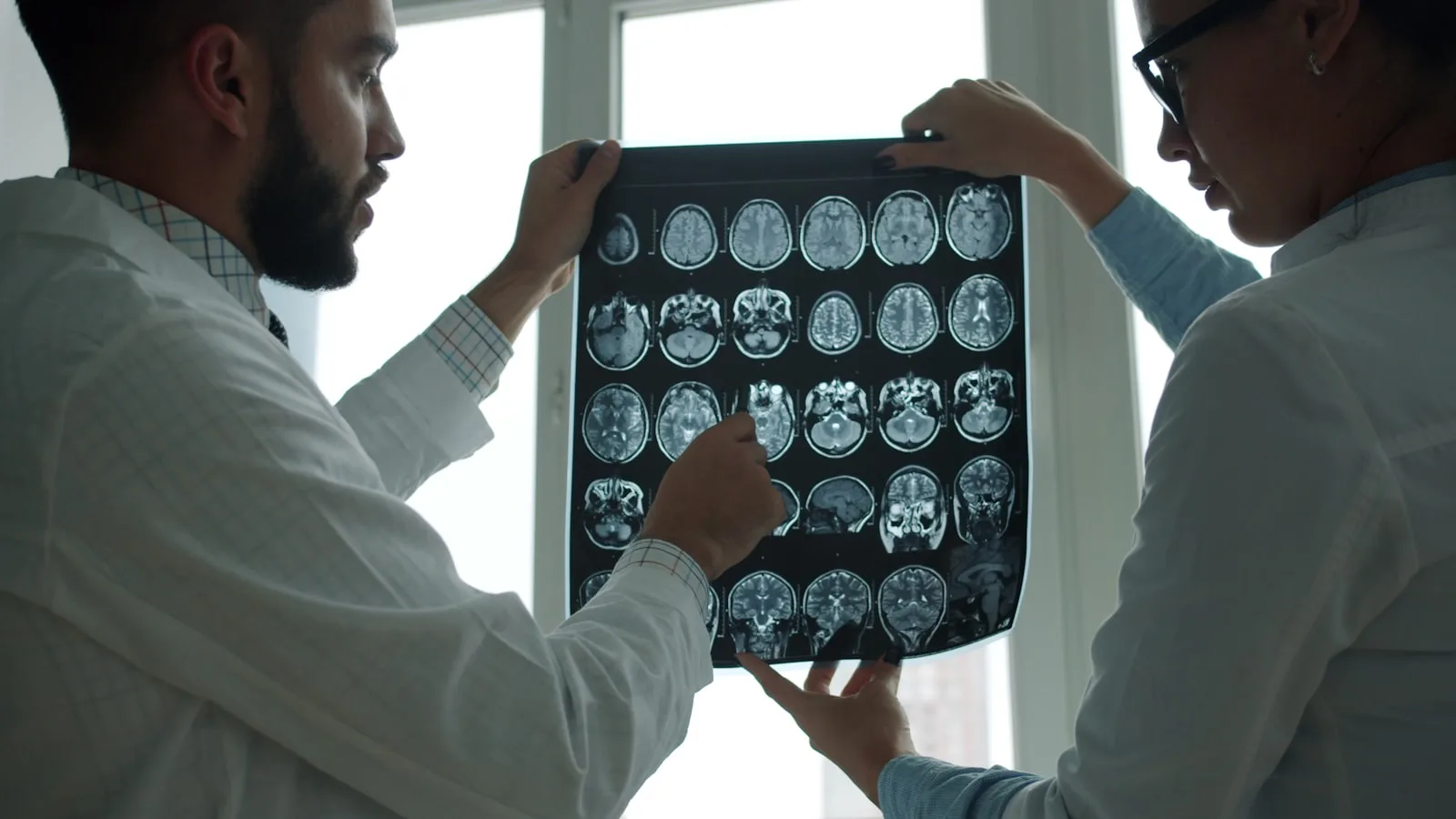
The workup starts the same way for both — with an ultrasound. What changes is what happens next if something looks atypical. A CT scan or MRI gives a much more detailed look at the gallbladder wall, the surrounding tissue, and whether there's any sign of spread beyond the gallbladder itself. Blood tests, including tumor markers like CA 19-9, can add supporting information, though they're not definitive on their own. In some cases, the true answer only becomes fully clear during surgery itself, when the gallbladder is examined directly and, if needed, sent for pathology while the patient is still on the table — which is one of the reasons gallbladder removal is best done by a surgeon experienced enough to recognize when something doesn't look the way it should, mid-operation.
What happens when cancer is suspected or confirmed
If early-stage gallbladder cancer is found — often as a surprise finding after a routine gallbladder removal — the standard response is a more extensive surgery to remove additional tissue around where the gallbladder was, along with nearby lymph nodes, to ensure nothing is left behind. For more advanced cases, or for bile duct cancers, the surgical approach can be considerably more involved, sometimes including resection of part of the liver, and treatment planning typically involves a team — surgery, oncology, and sometimes radiation — working from the same imaging and pathology findings.
This is also where the reality of resource-limited settings genuinely matters. Advanced, complex hepatobiliary cancer surgery — including techniques like portal vein reconstruction during major resections — requires specific surgical training and experience, which is exactly the kind of case that benefits from being handled by a surgeon with dedicated hepatobiliary and liver transplant training rather than general surgical care alone.
The reassurance that's genuinely true
None of this is meant to make ordinary gallstone pain sound frightening — it shouldn't. The vast majority of gallbladder symptoms are exactly what they appear to be, and resolve completely and permanently with straightforward laparoscopic surgery. The point of this article isn't to create worry; it's to explain why a proper ultrasound and, when something looks slightly unusual, a more detailed scan, are worth doing before jumping to conclusions in either direction — reassurance included.
The bottom line
If your symptoms fit the classic gallstone pattern and your ultrasound shows straightforward stones with a normal gallbladder wall, there's no reason to worry about anything beyond routine gallstone disease. But if the pain doesn't quite fit the pattern, if there's unexplained weight loss, or if imaging shows anything unusual about the gallbladder wall itself, that's the moment for a more detailed look — not because it's likely to be serious, but because ruling it out properly is what good care actually looks like.
Have questions about your own symptoms?